OneDesk
Portal Unificado
Unified enterprise platform for Walmart Central America — warranty lifecycle, digital tickets, and fiscal documents under one ecosystem for 5 user roles.
3
Modules
5
User Roles
$434K
Yearly Savings Target
3
Phases
Four critical problems across
Central America & Mexico
Fragmented warranty management, physical ticket printing, manual fiscal documents — three disconnected systems generating four compounding operational problems.
Supply Cost
$434K / yr$434K/yr burned on paper tickets alone — with zero digital alternative for customers.
Untraceable Warranties
No central trackingEvery warranty case lived in someone's head — no shared record, no accountability.
Manual Fiscal Documents
Hours per requestThe tax team spent hours per request on work a system should do in seconds.
Post-Sale NPS
Low satisfactionCustomers had zero visibility into their warranty status — so they assumed the worst.
Projected outcomes
Before a single line of code was written, the design validated outcomes that matter at the business level.
$434K
Yearly supply savings target
Portal Ticket Digital
−5%
Print volume reduction
Phase 3 target
5
User roles, zero friction
RBAC architecture
3
Operational modules unified
Single ecosystem
Portal Ticket Digital
Post-Sale NPS
Measurable increase following digital channel adoption
Support Tickets
Fewer JECA support requests caused by missing receipts
Portal de Garantías
CS Resolution Rate
Real-time status + SLA visibility across all stages
Manual Tax Work
Centralized Docs Fiscales eliminates hours per request
SLA Compliance
Per-country pending alerts before deadline expiry
Delivered as functional dev specifications
Handed off as high-fidelity functional specs — reducing discovery time and eliminating ambiguity without requiring backend infrastructure.
One platform,
three problems,
five user roles
A store associate sees only their store. An admin sees everything across all countries and stages. Both use the same interface — without confusion.
Designing for 5 roles with radically different permissions, coexisting without friction, was the central design problem.
Three modules · Three problems
Portal de Garantías
Post-sale warranty management
Portal Ticket Digital
Progressive elimination of printed tickets
Módulo Docs Fiscales
Centralized fiscal document consultation
5 User Roles (RBAC)
Five practices, one validated system
High-Fidelity Iterative Prototyping
Functional HTML/CSS/JS prototypes on GitHub Pages — validated with real users, no backend needed.
Walmart Living Design System
Design tokens, official LD Icons, and reusable components for brand coherence across all screens.
Role-Based Design (RBAC)
Every screen designed from the consuming role's perspective — irrelevant actions hidden.
Critical Flow Validation
SLA approvals, bulk document selection, and loading/empty/error states validated before development.
Continuous Feedback Loop
Iterative fixes from reviews — badge logic, filter placement, redundant actions removed.
Three modules, one ecosystem
Each module built end-to-end — role access, guided flows, and all empty/loading/error states validated.
Portal de Garantías
End-to-end warranty lifecycle management
Warranty Query
Advanced filters (Country, Store, Status, Workshop, Dates) + real-time search with guided loading states.
Warranty Registration
Field validation and step-guided flow for creating new warranty cases.
SLA Management
Editable SLA matrix by country and stage. Approval flow: Consultant → Admin.
Role-Based Access
TIENDA sees only their country/store. CONSULTOR initiates approvals. ADMIN resolves them.
Workshops Module
Workshop management with role-restricted access.
System Configuration
Configuration module restricted to Admin role.
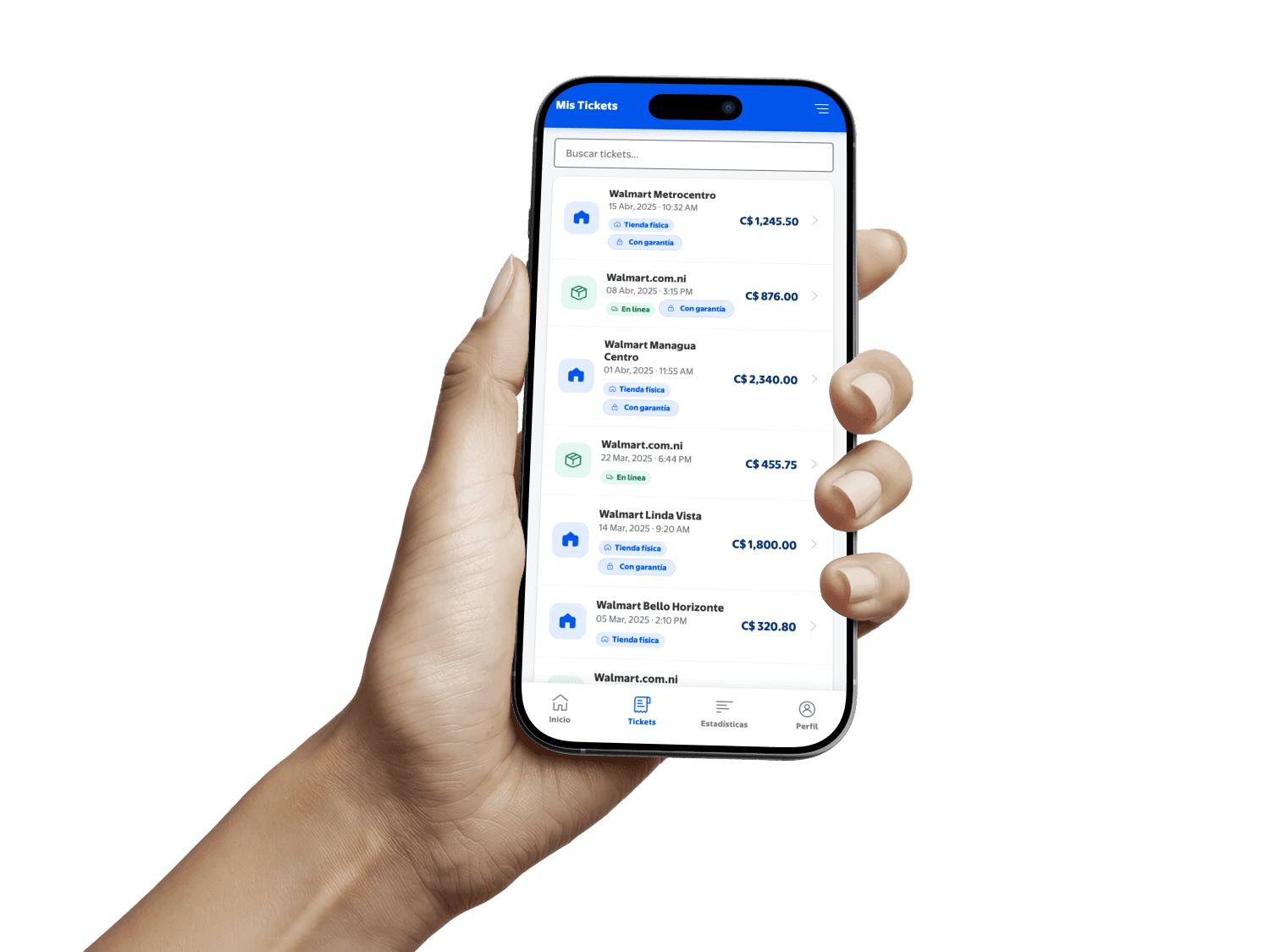
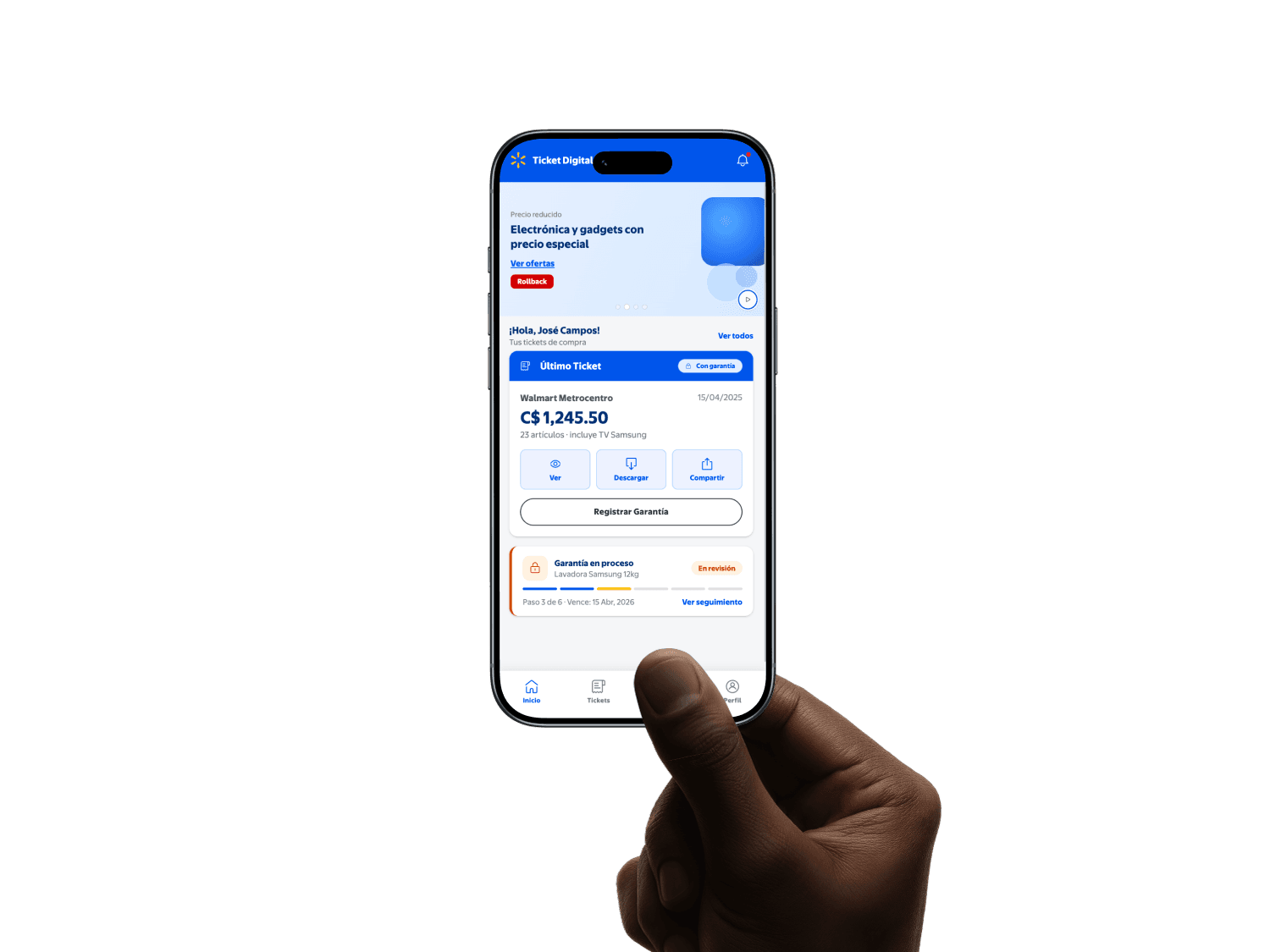
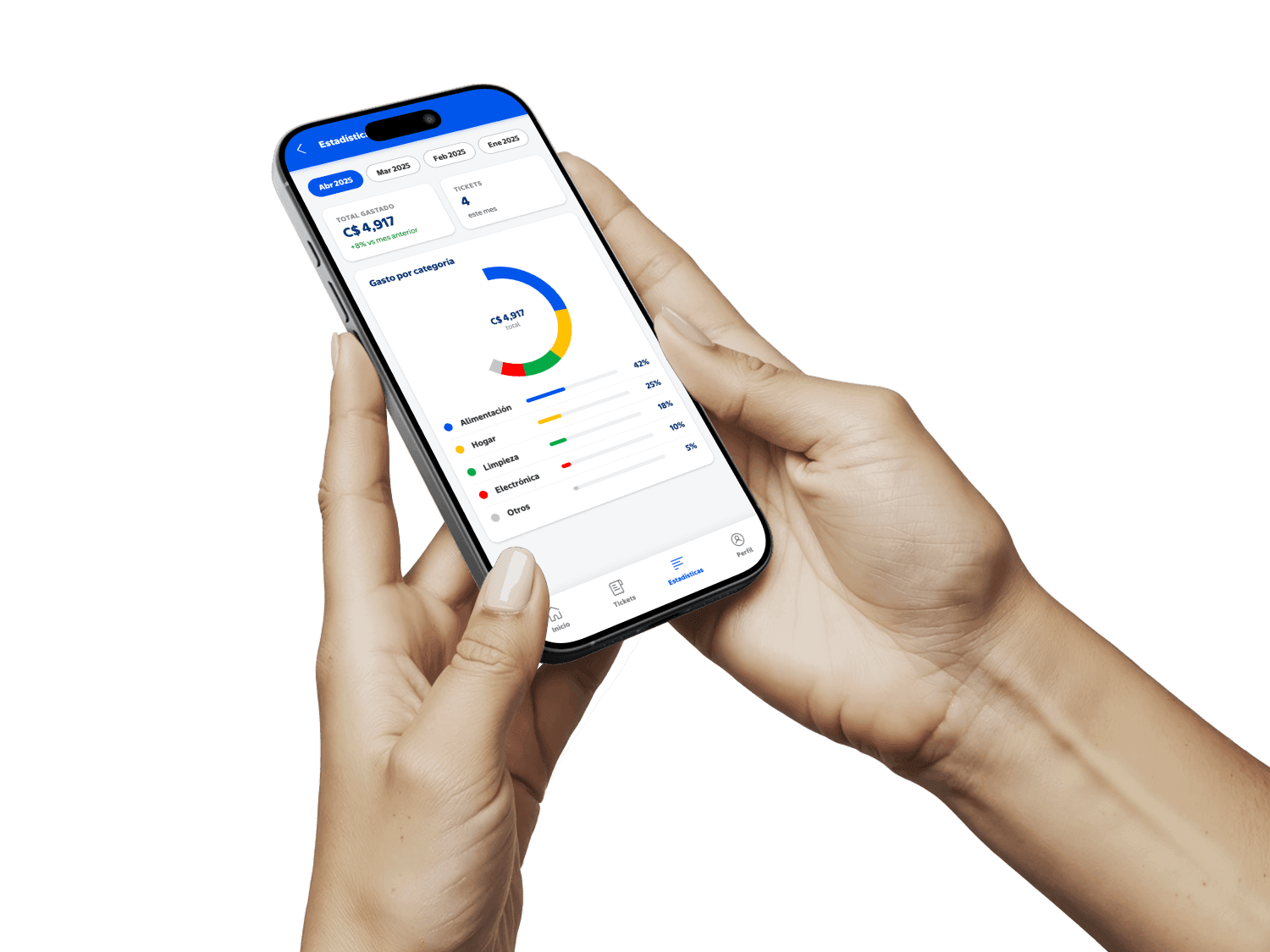
Portal Ticket Digital
Progressive elimination of physical checkout tickets
Ticket Query & Filters
Query, download, and send digital tickets via multiple filter combinations.
Bulk Selection
Mass selection with download as Consolidated PDF or Individual PDFs.
Email Sending
Recipient validation, personalized message, and success confirmation.
Ticket Preview
Full preview with product breakdown, taxes, and payment method.
Guided States
Empty, loading, and no-results states — guided experience at every step.
Módulo Docs Fiscales
Centralized fiscal document consultation by store
Advanced Filters
Filter by country, date range, store ID, and store name.
Alert Banner
Proactive compliance alerts — days without sending consolidated documents.
Bulk Selection & Download
Direct PDF download with no unnecessary format modal — friction removed.
Email Sending
Same validated email flow as the ticket portal.
Role-Restricted Access
Restricted to Administrator and Consultant roles only.
Full screen library
All screens across the three modules. Click any image to explore at full resolution.
Key learnings
Enterprise UX isn't just about clean UI — it's about designing for trust. Every role decision, every hidden button, every pending badge represents a business rule that has to be negotiated, not assumed.
Functional HTML prototypes paid off significantly: stakeholders could interact with real flows instead of evaluating screenshots, which compressed the feedback loop dramatically.
RBAC is a design problem, not just a dev problem
Defining role-based access early eliminated entire categories of design ambiguity.
Functional prototypes beat static specs
HTML prototypes let stakeholders interact with real flows. Feedback became specific instead of abstract.
Design system compliance is a team sport
Using the Walmart Living Design System required close collaboration with brand stakeholders.
Empty states are features, not afterthoughts
Every loading, empty, and error state was designed and validated — that's what makes a production-ready spec.
Protected under NDA
Due to legal arrangements in the Walmart employment contract, the interactive prototype, internal documentation, and live environment cannot be shared publicly.
Next Project
CECOApp
Mobile UX · Product Design · E-commerce